
Monday to Saturday - 8:00 -17:30

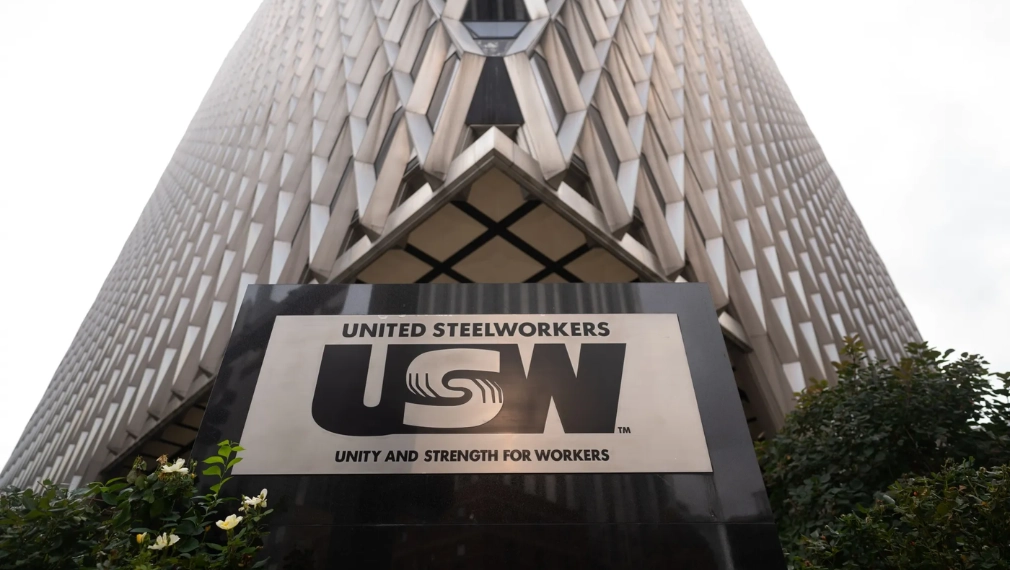
Key Information: USW
Full Name: United Steel, Paper and Forestry, Rubber, Manufacturing, Energy, Allied Industrial and Service Workers International Union.
Acronym: USW
Formation: Officially founded as the United Steelworkers of America on May 22, 1942, evolving from the Steel Workers Organizing Committee (SWOC) which was established in 1936.
Type of Organization: A major, diverse industrial labor union representing workers across North America.
Representation: While its roots are in steel, the USW is one of North America’s most diversified unions, representing workers in metals, mining, paper and forestry, rubber, chemicals, glass, energy, healthcare, and the public sector.
Membership: It represents approximately 850,000 active workers in the United States, Canada, and the Caribbean.
Core Mission: To unite all workers for the betterment of their wages, benefits, and working conditions, with a foundational emphasis on workplace safety and fighting for a level playing field for domestic manufacturing through fair trade policies.
Founding History: Established by the Congress of Industrial Organizations (CIO) to take on the fiercely anti-union steel industry. Its first major breakthrough was winning recognition at U.S. Steel in 1937.
First President: Philip Murray.
Current Leadership:
International President: David McCall
Primary Activities: The union is a leader in industrial-sector bargaining, a global advocate for workplace health and safety, and a primary force in shaping international trade policy to protect manufacturing jobs.
Headquarters: Pittsburgh, Pennsylvania.
An Introduction to the United Steelworkers (USW)
Forged in the heat and danger of America’s steel mills, the United Steelworkers (USW) is a union that expresses the durability, vigor, and unity of the industrial working class. From its inception in the violent battles to organize the steel industry in the Great Depression, the USW has grown into one of North America’s largest and most multicultural industrial unions. Today, its 850,000 members do not simply work in steel, but in many of America’s most important industries, including paper and forest products, mining, energy, chemicals, rubber, and health care.
The USW is a firm believer in one basic principle: that all workers are entitled to have a right to a safe job. This focus on health and safety is the bedrock of the union. Outside the plant, the USW is a strong and articulate voice nationally and internationally, advocating for just trade policies to defend American jobs from unfair foreign competition. This article discusses the USW’s struggles over its history, its significant influence on industrial safety and trade policy, its most notable achievements, and its vision for manufacturing’s future.
The USW's Impact on Industrial Safety and Trade Policy
A Trailblazer in Occupational Health and Safety
The best achievement of the USW is its trailblazing impact on workplace safety. From workplaces where damage and fatalities were all too common, the union made safety a non-negotiable priority. The USW was a trailblazer in joint union-management Health, Safety, and Environment Committees, now a standard contract article. These committees empower workers to identify hazards, investigate accidents, and demand corrective action. The union’s dedicated Health, Safety and Environment Department is one of the union’s biggest and most renowned of any union, providing professional training and materials that have saved thousands of lives.
A Guardian for Equitable Trade
The USW is one of the most active unions in North America when it comes to the issue of global trade. The union has fought for decades to protect its members’ livelihoods from illegally subsidized and “dumped” foreign goods. The USW’s legislative and legal professionals are experienced at filing and winning trade cases with the U.S. International Trade Commission and the Department of Commerce. Through insisting that trade laws be enforced, the USW not only saves jobs but also prevents countries such as China from making their living at the expense of American workers, giving North American manufacturers a more level playing field.
How to Join or Support the USW
Membership Across Industries
Workers become members of the USW by organizing their workplace with the assistance of the union’s organizing department. The union’s general jurisdiction enables it to organize employees in almost any private or public sector workplace, from aluminum smelters and paper mills to college faculty and public works agencies. Membership is structured through local unions, which are the rank-and-file heart and soul of the USW.
The USW Next Generation Program
The organization is dedicated to building its future leaders through the Next Generation program. The organization identifies, mentors, and activates members under 35 years of age, provides them with leadership training, and introduces them to the rich history of the union. The program aims to ensure that there is a new generation of leaders ready to lead the battle for workers’ rights.
Rapid Response and Community Allies
The USW’s Rapid Response program is its non-partisan grass roots political and legislative action network. It educates and mobilizes members on key issues, from trade policy to workplace safety regulations. Allies and community members can become involved in supporting the USW by participating in Rapid Response campaigns, being supportive of “buy local” and “buy American” initiatives, and demonstrating solidarity with workers in contract negotiations.
Key Achievements and Historic Strikes of the USW
The 1959 Steel Strike
One of the largest and most significant labor battles in U.S. history was the 116-day steel strike of 1959. The United Steelworkers of America union called out close to half-a-million steelworkers to fight the industry’s attempt to eliminate a crucial contract clause that assured jobs and local provisions on the job. The unity of the workers never cracked, and they did come out on top, eventually protecting the clause and securing a good contract. The strike demonstrated the enormous might of the union at the peak of its strength.
Gaining Recognition from ‘Big Steel’
The union’s first giant triumph was in 1937 when the Steel Workers Organizing Committee (SWOC), the predecessor of the USW, won industry titan U.S. Steel’s recognition of the union without a strike. The record-breaking win—a result of a strategic organizing campaign—shattered the industry’s union obstacle and led to a wave of unionization in the industry.
Growth Through Strategic Mergers
Today’s diversity of the USW comes through a succession of strategic mergers with other big industrial unions. Substantial mergers with the United Paperworkers International Union (PACE), the United Rubber Workers, and the Industrial Wood and Allied Workers of Canada grew the union’s membership and voice and influence at the bargaining table in several major sectors of the economy.
Why the USW is Beneficial for Industrial Workers and Students
Contracts That Save Lives
For working-class people on the industrial factory floor, a USW contract does not simply guarantee fair wages; it’s a lifeline. The USW’s strong language on health and safety gives workers the ability to say no to working in hazardous conditions without fear of retaliation—a hard-fought bargaining tool in hazardous industries. This focus on safety makes workplaces healthier, more productive for everyone, and keeps everyone going home alive.
Investing in the Next Generation
The USW offers numerous scholarship programs, one of which is named after the union’s first president, Philip Murray, to help members and their families pay for college-level education. The union also reaches students and young people who are interested in a career in the skilled trades, factory work, and labor movement through its Next Generation program, offering mentorship and exposure to activism.
The USW's Founding and the Battle to Organize Steel
The Steel Workers Organizing Committee (SWOC)
The USW was brought into being by the Congress of Industrial Organizations’ (CIO) courageous and perilous fight to organize America’s steel sector. The CIO formed SWOC, led by Philip Murray, and poured vast resources into this critical fight in 1936. The steel sector was dominated by giant companies like U.S. Steel and was well known for its brutal anti-union tactics.
The ‘Little Steel’ Strike and the Memorial Day Massacre
Even though SWOC won a historic U.S. Steel victory, the Little Steel companies fought back vigorously. In 1937, SWOC called a strike against the Little Steel companies, which created one of the most disastrous days in the labor history of America. On Memorial Day, the Chicago police, joining Republic Steel, opened fire on a nonviolent march of strikers and their families, killing ten employees during the Memorial Day Massacre. Despite such cruelty, the workers continued fighting, and the USW proceeded to unionize the entire steel industry during World War II.
Core Activities and Priorities of the USW
Sectoral Bargaining
The USW is a master of industry bargaining, whereby the union negotiates with over one employer in the same industry (like paper, aluminum, or rubber) in order to form a pattern agreement. It brings this practice to an end by preventing companies from undercutting one another by cutting pay and benefits, and it improves the standards within a whole industrial sector.
Emergency Response and Disaster Relief
One of the few unions with a full-time disaster relief fund and response unit, the USW quickly responds to offer financial assistance, materials, and services to its members and their families following natural disasters like hurricanes, floods, and wildfires.
International Solidarity
The USW is leading the building of international labor solidarity. The union was responsible for launching Workers Uniting, an international union that combines the force of the USW and Unite the Union in Ireland and Britain. The union allows the unions to stage common campaigns against common multinational employers and protect workers’ rights worldwide.
| Core Objective / Activity | Description |
|---|---|
| Health and Safety Advocacy | Maintains a large, expert department focused on training members and bargaining for the strongest possible workplace safety and health protections. |
| Sectoral Bargaining | Negotiates with multiple employers in a single industry (e.g., paper, aluminum) to establish a pattern contract and prevent a race to the bottom. |
| International Trade Campaigns | Employs a sophisticated legal and legislative strategy to combat illegal and unfair trade practices that harm domestic manufacturing. |
| Legislative Action (Rapid Response) | Runs a grassroots network that educates and mobilizes members to contact lawmakers on critical issues affecting workers and their industries. |
| Next Generation Program | An internal initiative to identify, train, and activate young members to ensure a new generation of leaders is ready to guide the union. |
| Disaster Relief | Operates a charitable fund and response team to provide immediate assistance to members and communities affected by natural disasters. |
Conclusion: The Future of the USW
From the gritty factory floors of the 20th century to the finely nuanced global economy of the 21st, United Steelworkers has been a consistent voice for the industrial worker. The union was founded as a single-industry union but has evolved into a diverse, modern giant, yet its core values of safety, solidarity, and justice remain the same.
The future holds challenges as well as opportunities. The USW is at the forefront of the transition to a green economy, fighting hard to make renewable energy and “green steel” jobs union jobs, good jobs. It continues its relentless opposition to fair trade and manufacturing reshoring. As a union that has never been afraid to fight a tough fight, the USW is poised to defend its members and chart the course for North American industry for generations to come.