
Monday to Saturday - 8:00 -17:30

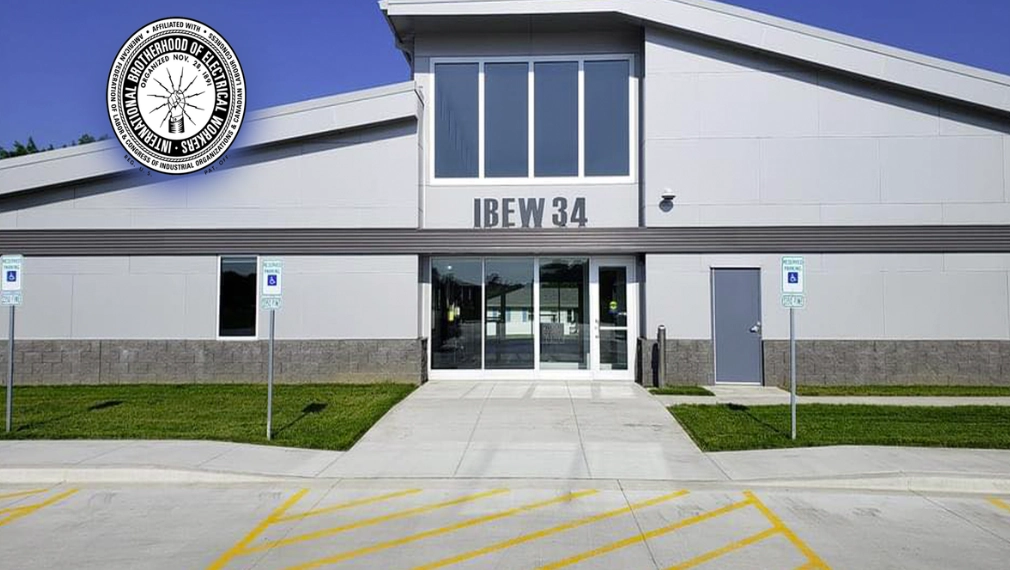
Key Information: IBEW
Full Name: The International Brotherhood of Electrical Workers.
Acronym: IBEW
Formation: Founded on November 28, 1891, in St. Louis, Missouri.
Type of Organization: A trade union of highly skilled craftspeople and industrial workers.
Representation: The IBEW represents workers in nearly every facet of the electrical industry, including construction and residential electricians, utility lineworkers, telecommunications workers, railroad employees, and workers in broadcasting and manufacturing.
Membership: It represents approximately 820,000 active members and retirees across the United States and Canada.
Core Mission: To organize all workers in the electrical industry for their mutual benefit, to promote reasonable methods of work, to secure adequate pay and benefits, and to elevate the moral, intellectual, and social conditions of its members.
Founding History: Established by ten delegates representing a national movement of electrical workers who sought to combat the extremely dangerous working conditions (an estimated 50% mortality rate for linemen) and low wages of the nascent electrical industry.
First President: Henry Miller.
Current Leadership:
International President: Kenneth W. Cooper
International Secretary-Treasurer: Paul A. Noble
Primary Activities: The union is renowned for its world-class apprenticeship and training programs, its unwavering commitment to workplace safety, its “Code of Excellence,” and its political advocacy for the energy and infrastructure sectors.
Headquarters: Washington, D.C.
An Introduction to the International Brotherhood of Electrical Workers (IBEW)
The International Brotherhood of Electrical Workers (IBEW) is the union that lights our world. From the light switch in your home to the enormous power grids that cover the continent, the skilled and highly trained members of the IBEW are the brains and hands behind modern electrical life. With over 820,000 members in the U.S. and Canada, the IBEW represents a diverse range of professionals, including construction electricians, utility lineworkers, telecommunications technicians, factory workers, and broadcasters.
Borne of an age in which labor with electricity was regarded as one of the most dangerous jobs on the planet, the IBEW was conceived on twin pillars of craft and safety. It’s a union that cherishes in its heart a decent day’s pay for a decent day’s work, but also in delivering the highest quality of work through unparalleled training and a commitment to excellence. This article explores the dramatic history of IBEW, its revolutionary impact on industrial safety, its award-winning training programs, and its seminal role in shaping the energy infrastructure of tomorrow.
Key Achievements and Milestones of the IBEW
The Gold Standard of Training: The JATC
The pride of the IBEW is its Joint Apprenticeship and Training Committee (JATC) system. With the National Electrical Contractors Association (NECA), the IBEW co-sponsors local training centers around North America, numbering in the thousands. These training centers offer a full, multi-year apprenticeship that encompasses on-the-job instruction and intense classroom study. The JATC model is the “gold standard” for craft training in any trade and has developed generations of the world’s finest-trained electricians.
Early Benefactors of Laborers
Since its first convention, the IBEW established a funeral benefit fund to help the families of murdered-on-the-job members, a grim but necessary innovation for the time. In 1928, the union became among the first in the nation to establish a pension fund for members, providing some measure of security for laborers decades before Social Security was a gleam in anyone’s eye. These initiatives placed the IBEW as a union that cared for its members from apprenticeship to retirement.
Wiring America
IBEW members have been at the forefront of every significant technological leap of the past century. They wired the country during the rural electrification programs of the New Deal, constructed out the telephone and telecommunications infrastructure, and powered the factories that propelled the American economy. Their efforts are integrated into the fabric of North America’s infrastructure.

Why the IBEW is Beneficial for Aspiring Electricians and Students
A Debt-Free Path to the Middle Class
For young adults and those who want a rewarding career, IBEW’s JATC apprenticeship is the one-of-a-kind experience. It is the path to a middle-class career without student loans. Apprentices “learn while they earn,” receiving excellent wages and benefits on their first day of employment. They receive on-the-job training payments of thousands of hours over the four years of their apprenticeship and classroom training by qualified instructors, to come out as capable journeyperson electricians with a bright and stable future ahead.
Commitment to Lifelong Learning
The IBEW education emphasis does not end with apprenticeship. The union provides continuous skills-upgrade training for its journeypersons so that they’re at the forefront of technological change. From motor control innovations and solar panel mounting to electric vehicle charging stations, the IBEW equips members with the tools of tomorrow.
Scholarships and Outreach
The IBEW offers a variety of scholarships to members and members’ dependents for further study. The organization also engages in a broad practice of high school and trade school outreach, promoting the skilled trades as a great, high-technology career option for young people.
How to Join the IBEW or Support Its Mission
The Apprenticeship Pathway
The initial way of joining the IBEW as a craftman is by submitting an application for an apprenticeship with a local JATC. Prospective apprentices typically must meet minimum levels of schooling and pass an aptitude test. The procedure by competitive application selects those best qualified to manage the technical aspects and bodily demands of the electrical trade.
Organizing and Other Branches
For existing, non-union electricians, the IBEW offers the opportunity to organize their workplaces and participate in the advantages of a union contract. Beyond construction, the union has numerous affiliates representing workers in utilities, telecommunications, manufacturing, and broadcasting. Workers in these sectors can contact the IBEW’s organizing division to learn how to construct a union.
The IBEW's Founding: A Fight for Life and Dignity
A St. Louis Meeting
The IBEW was formed in a small St. Louis office on November 28, 1891. Ten representatives of a national movement of 286 electrical workers sat down to form a national union. They were put forward by a city lineman named Henry Miller. They were driven by nothing complicated: survival. The electrical business was booming, but it was wildly unsafe. No safety codes and shoddy equipment were killing linemen by the hundreds.
The Greater Sacrifice
The founders of the IBEW created a symbol of a fist grasping lightning bolts, a powerful symbol of upholding electrical power. They sought to bring order, security, and dignity to their troublesome trade. Henry Miller was elected the first Grand President and traversed the country relentlessly unionizing more laborers. Unfortunately, in 1896 Miller himself was killed in an on-the-job accident, a martyr to the cause to which he committed himself. His death has been a lasting reminder of the union’s original purpose: allowing every worker to go home at the end of the day.
Core Activities and Principles of the IBEW
The Code of Excellence
IBEW promotes a “Code of Excellence,” an official program that enshrines the union’s commitment to professionalism. It is an assurance by the union and its signatory employers that IBEW members will perform the best quality work, adhere to the highest standards of safety, and maintain a productive and professional work attitude at the workplace. This code confirms the IBEW’s belief that unionization is a positive factor for workers as well as employers.
Political Action and Advocacy
The IBEW is a significant and powerful voice in public policy and politics. The union aggressively lobbies and encourages its members to promote investments in energy, infrastructure, and telecommunications. The union is a leading advocate for project labor agreements (PLAs) to ensure that public projects are built with union labor, and it is a foremost advocate of a transition to a renewable economy.
| Core Objective / Activity | Description |
|---|---|
| Apprenticeship & Skills Training | To provide the most comprehensive, standardized, and advanced skills training in the electrical industry through its JATC programs. |
| The Code of Excellence | A formal program to guarantee employers and customers that IBEW members will provide the highest levels of professionalism and productivity. |
| Political Action & Lobbying | To advocate for public and private investment in infrastructure, energy, and telecommunications, and to support pro-worker candidates. |
| Organizing | To bring the benefits of union representation to all workers in the electrical industry, from construction to telecommunications. |
| Health & Safety Advocacy | To maintain and improve upon the highest safety standards in the industry through training, contract negotiation, and legislative advocacy. |
| Collective Bargaining | To negotiate contracts that provide members with fair wages, excellent health and retirement benefits, and a voice on the job. |
Conclusion: The Future of the IBEW
Out of an initial group of ten very brave men fighting to survive over a century ago, the IBEW has grown into a modern, sophisticated union that is an essential component of the North American economy. The tireless commitment of the union to training, safety, and professionalism has driven the entire electrical industry forward and provided a safe path to the middle class for millions of workers.
The future is electric, and the IBEW stands poised to take charge. As our nation transitions to renewable power, grows the national network of electric vehicle charging stations, and modernizes its power grid, the skills and experience of the IBEW members will be more valuable than ever. By reaffirming its dedication to technological advancement and to its founding principles, the IBEW will not only electrify our future—but it will build the future safely, build the future right, and build the future union.